Environmentally sound vehicle disposal — what happens to the car?
Every vehicle contains substances that can soil soil and groundwater if handled wrongly. Authorised processing exists precisely to prevent that.
Who may dispose of vehicles eco-legally?
In Slovakia only authorised treatment facilities — companies granted authorisation by the Ministry of Environment (MoE SR). WIP scrapyard holds this authorisation.
Handing a vehicle to an unauthorised person (e.g. private parts buyer without authorisation) does not generally release the original owner from eco‑disposal responsibility.
How processing works
Regulated waste-law process in phases:
1. Takeover and identification Vehicle recorded, identity verified (VIN), takeover certificate issued.
2. Decontamination Before dismantling, hazardous fluids and materials are removed:
- engine, gearbox and damper oils
- coolant
- brake fluid
- fuel
- air-conditioning refrigerant
- battery
- airbag components
These go to licensed hazardous-waste handlers.
3. Removal of reusable parts Still usable parts may be sold as spares — extending material life and cutting waste volume.
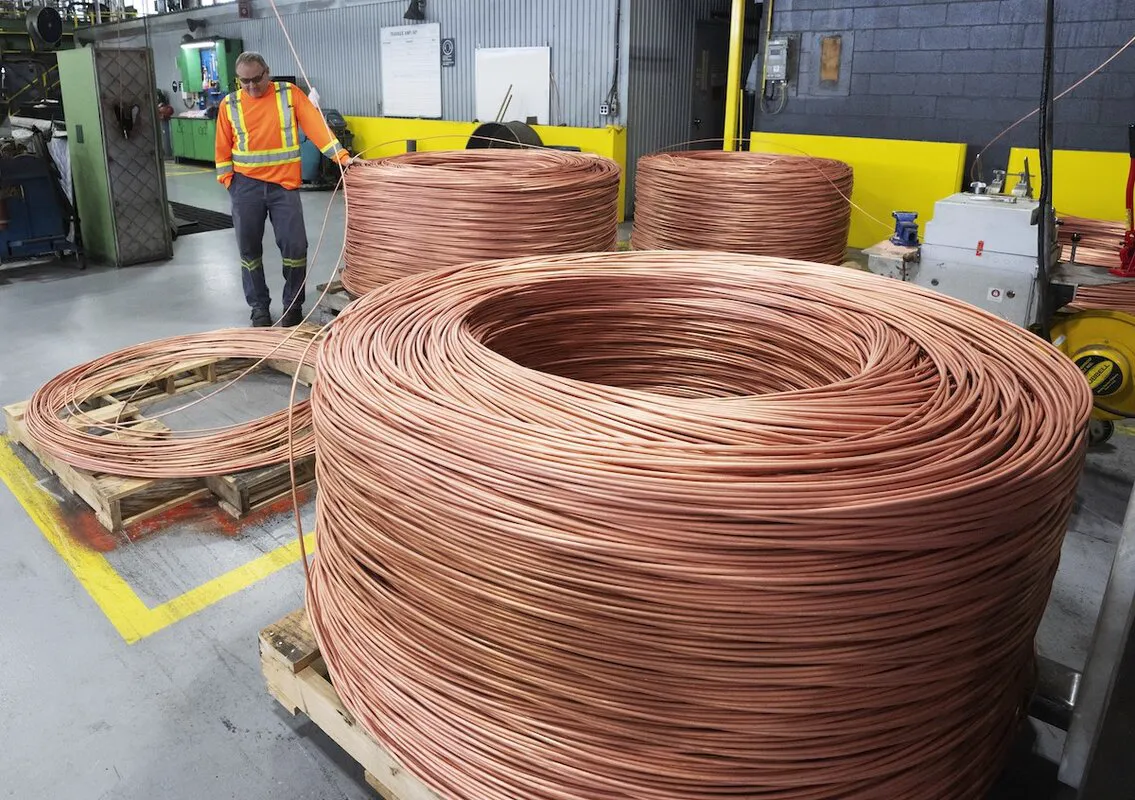
4. Pressing and material recovery Remaining shell and frame are pressed and steel/non-ferrous metals recycled. Modern plants recover well over 85% of vehicle mass materially.
What it means for you
After handover to an authorised yard and successful deregistration, the original owner has no further responsibility for the vehicle or its hazardous contents under normal statutory processing.
Summary
Eco-disposal is not a formality — it is a controlled process keeping hazardous substances out of the environment. MoE SR authorisation means legally compliant processing.